
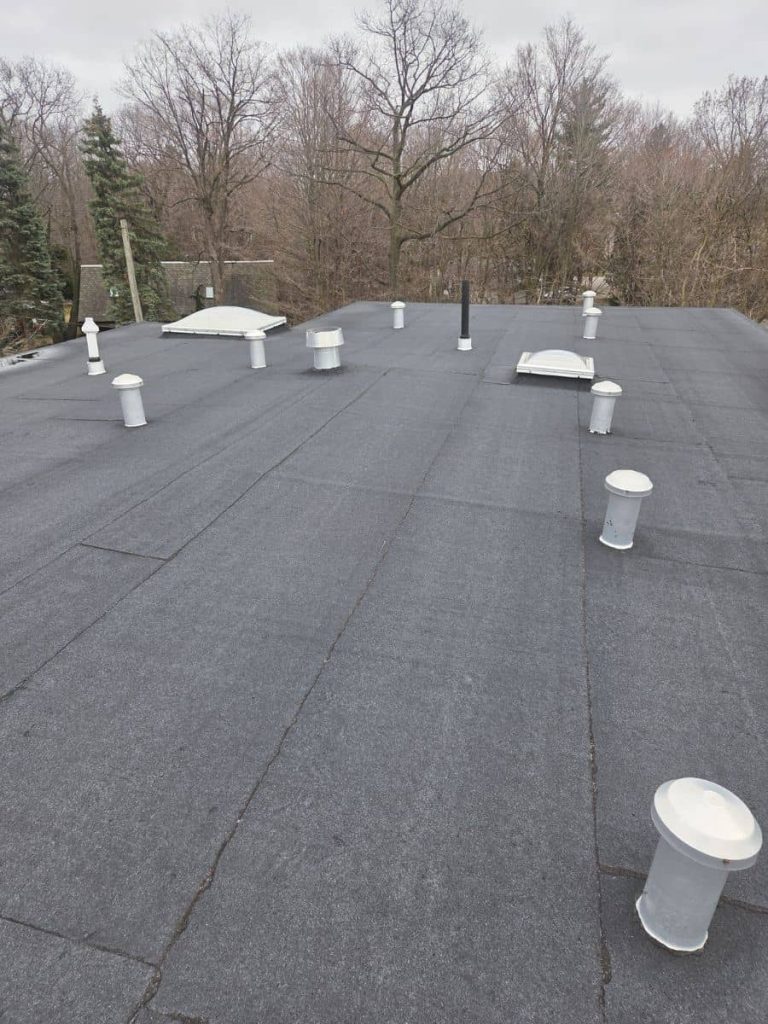
If you manage a commercial building in Toronto, you already have a lot on your plate: tenants, budgets, compliance, and ongoing maintenance. Roofing often gets pushed to the background until there’s a leak. The problem is, by the time a roofing issue becomes visible inside the building, it’s usually already progressed much further than expected.
That’s why having a reliable commercial roof maintenance checklist is so important. It helps you stay ahead of problems, reduce long-term costs, and avoid emergency repairs that disrupt operations.
With our JNG Services commercial roofing checklist, we’ll walk through exactly what to look for and how to proactively manage your roof, especially in Toronto’s demanding climate.
Why Regular Roof Maintenance Is Critical
Commercial roofs are constantly exposed to the elements, from heavy rain and snow to extreme temperature swings and regular foot traffic. In a city like Toronto, where freeze-thaw cycles are a normal part of the year, even minor wear and tear can quickly escalate into more serious damage if it’s left unchecked.
Without regular maintenance, small issues, such as a blocked drain or a minor crack, can lead to water infiltration, often causing damage inside the building before it’s even noticed. Over time, this can also contribute to broader structural issues and significantly increase the cost of repairs or even a full roof replacement. In some cases, it can disrupt tenants or daily operations, creating unnecessary downtime and added stress for property managers.
A well-maintained roof performs more reliably and lasts much longer. By staying proactive, you’re not just protecting the roof itself; you’re protecting the entire building and avoiding costly surprises down the line.
How Often Should You Inspect a Commercial Roof?
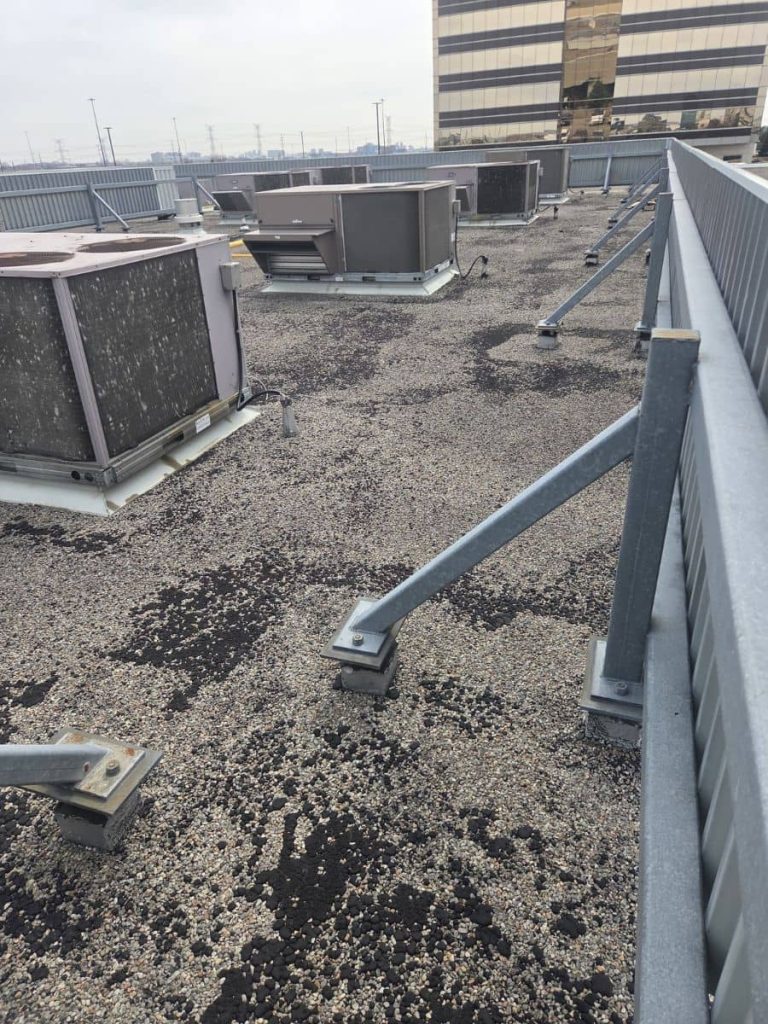
For most commercial buildings in Toronto, a good rule of thumb is to schedule roof inspections at least twice a year, typically in the spring and fall. These seasonal check-ins help you assess any damage caused by winter conditions and prepare your roof for the months ahead.
Beyond routine inspections, it’s also important to inspect your roof more closely after major weather events. Heavy snowfall, ice buildup, strong winds, and prolonged periods of rain can all put significant stress on your roofing system. Even if no issues are immediately visible, these conditions can create hidden damage that worsens over time.
By adding these extra inspections when needed, you give yourself a better chance of catching small problems early, before they lead to more costly repairs or disruptions.
A Practical Commercial Roof Maintenance Checklist
Let’s break this down into something you can actually use.
Exterior Commercial Roof Inspection
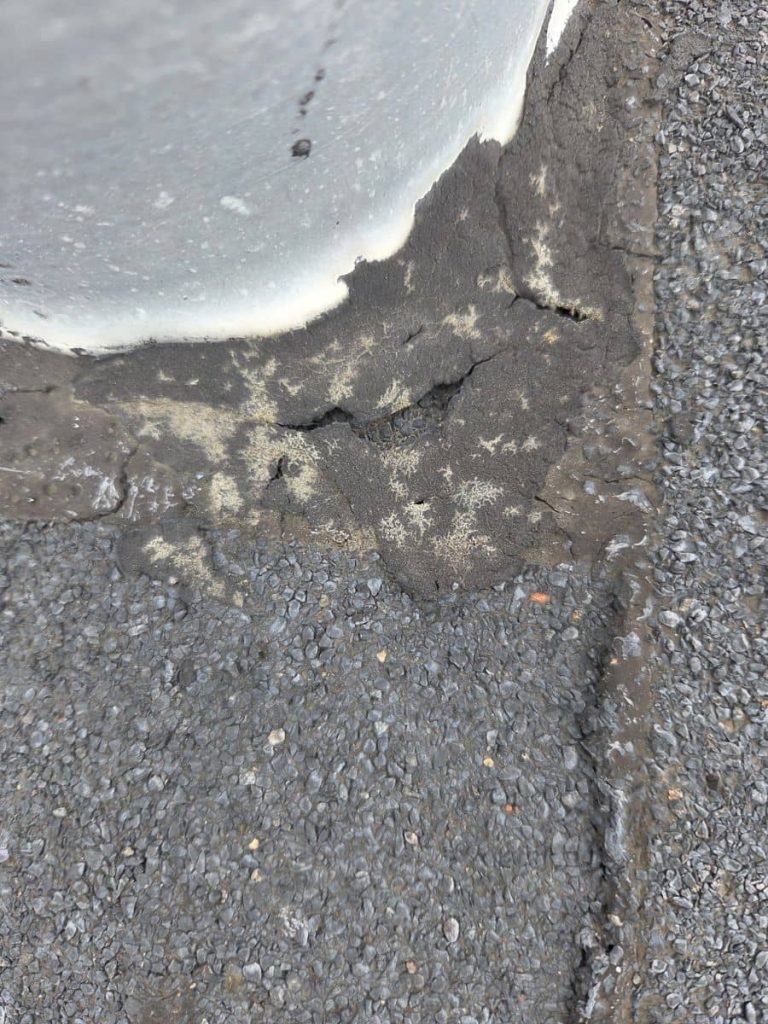
When you’re on the roof, start by scanning for visible damage. Even small issues can be early warning signs.
Look for:
- Cracks or splits in the roofing surface
- Bubbling or uneven areas
- Loose or deteriorating materials
- Damage from tools or foot traffic
If you notice any of these, it may be time to schedule commercial roof repair in Toronto with JNG Services before the issue spreads.
Drainage and Water Flow
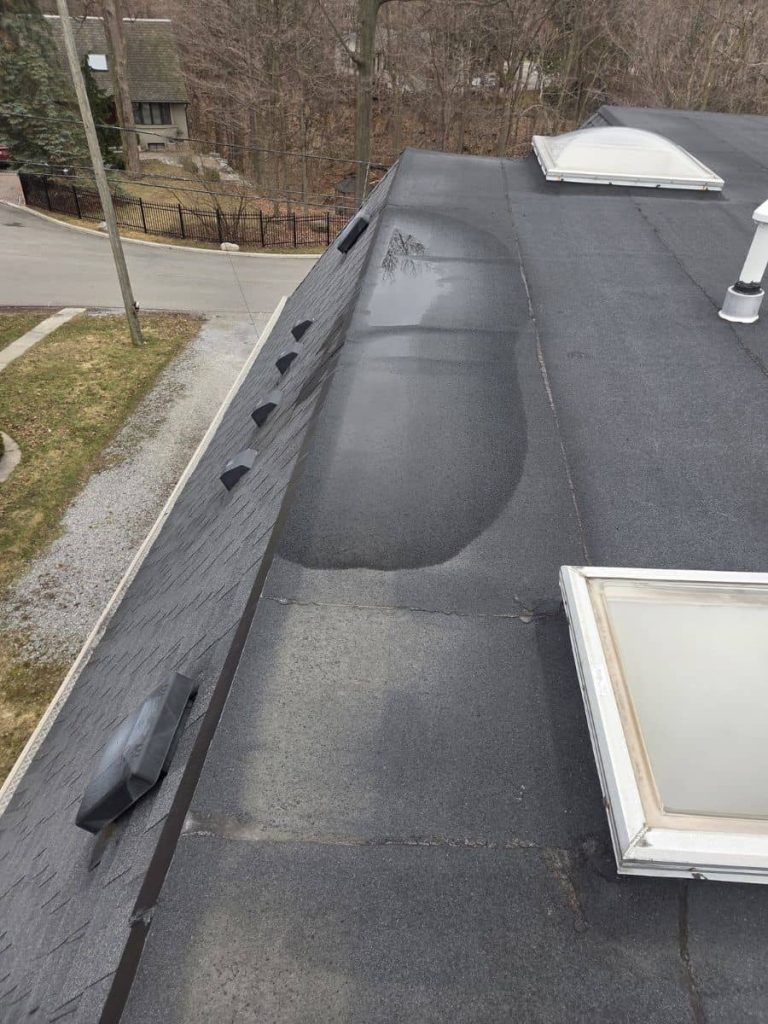
Water is one of the biggest threats to a commercial roof, especially on flat or low-slope buildings.
Pay close attention to:
- Standing water that remains for more than 48 hours
- Blocked drains or clogged outlets
- Dirt and debris buildup around drainage areas
- Areas where water doesn’t seem to flow properly
Poor drainage is one of the leading causes of premature roof failure.
Commercial Roof Edges and Penetrations
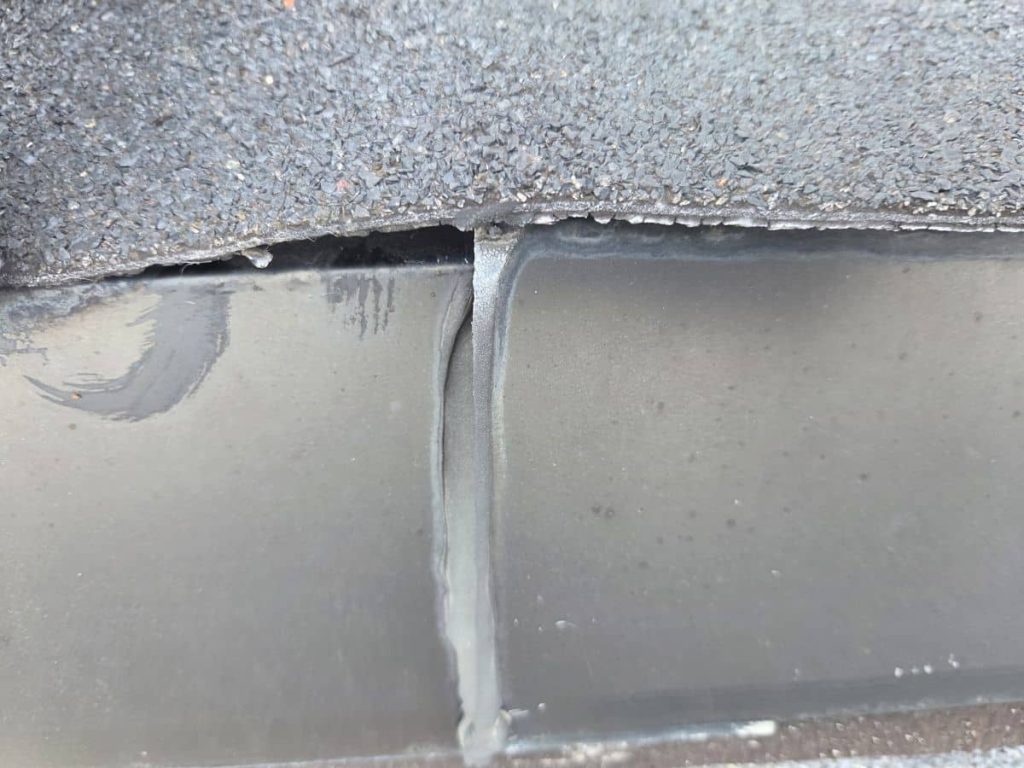
The edges of the roof and areas around rooftop equipment are common weak points.
Check around:
- HVAC units
- Vents and skylights
- Roof edges and walls
You’re looking for gaps, separation, or deterioration, anything that could allow water to enter.
Commercial Interior Warning Signs
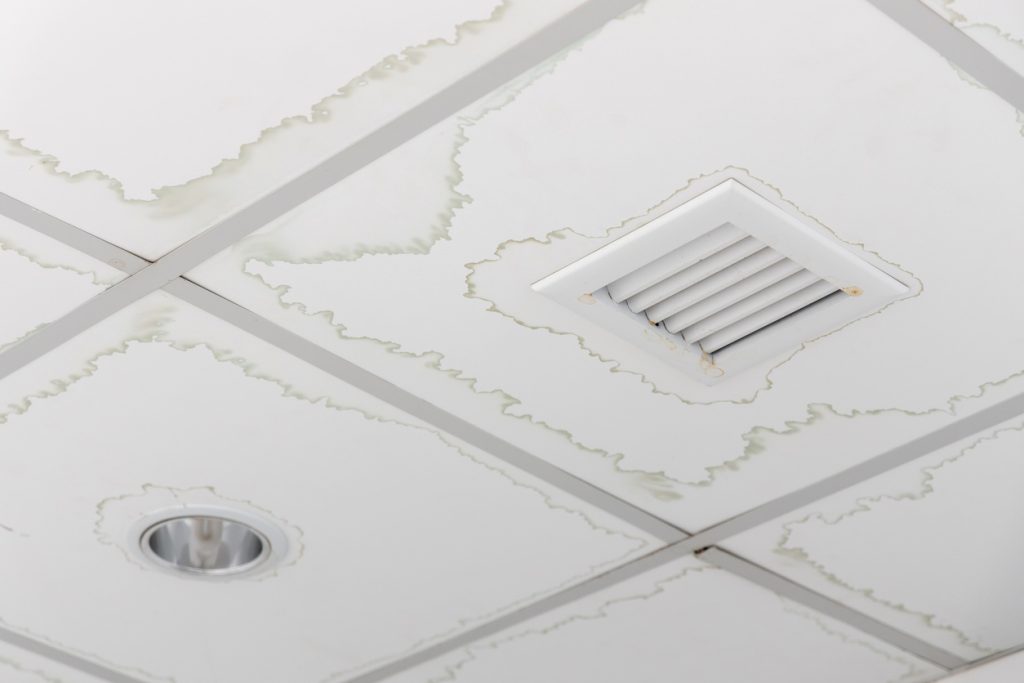
Roof problems don’t always show up on the surface first. Sometimes, the earliest signs appear inside the building.
Watch for:
- Water stains on ceilings or walls
- Damp or musty smells
- Mould or mildew
- Peeling paint or bubbling drywall
These signs often indicate that water has already made its way through the roofing system.
Foot Traffic and Access Points
Commercial roofs often see traffic from maintenance crews, HVAC technicians, and other service providers.
Over time, this can cause damage.
Look for:
- Scuffing or worn areas
- Punctures or indentations
- Damage near frequently accessed zones
If your building has regular rooftop access, consider designated walk paths to reduce wear.
Documentation and Maintenance Records
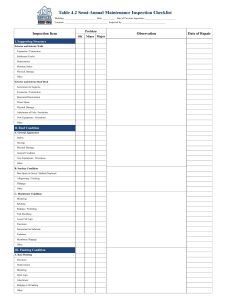
One of the most overlooked parts of roof maintenance is documentation.
Keeping detailed records helps you:
- Track recurring issues
- Plan future budgets
- Maintain warranty compliance
- Provide reports to stakeholders
Even simple inspection logs can make a big difference over time.
Why Commercial Roofing Maintenance Plans Make Sense
If you’re managing multiple properties, or even one large building, a structured maintenance plan can simplify everything.
With our professional commercial roof maintenance program from JNG Services, you get:
- Scheduled inspections
- Detailed reports
- Early issue detection
- Predictable maintenance costs
This is especially valuable when you’re responsible for long-term planning and budgeting.
When to Call JNG Services for your Commercial Roof
Even with a checklist, some issues require expert attention. If you notice recurring leaks, drainage problems, or visible deterioration, it’s time to bring in a contractor who specializes in commercial roofing in Toronto.
Regular professional inspections can help you stay ahead of issues you might not catch on your own.
Roof maintenance isn’t complicated, but it does require consistency. By following a structured commercial roof maintenance checklist, you can avoid major repairs, extend your roof’s lifespan, and protect your building from unnecessary risk.
For property managers and building owners in Toronto, a proactive approach isn’t just smart, it’s essential.
Call JNG Services to schedule your commercial roofing inspection today!