
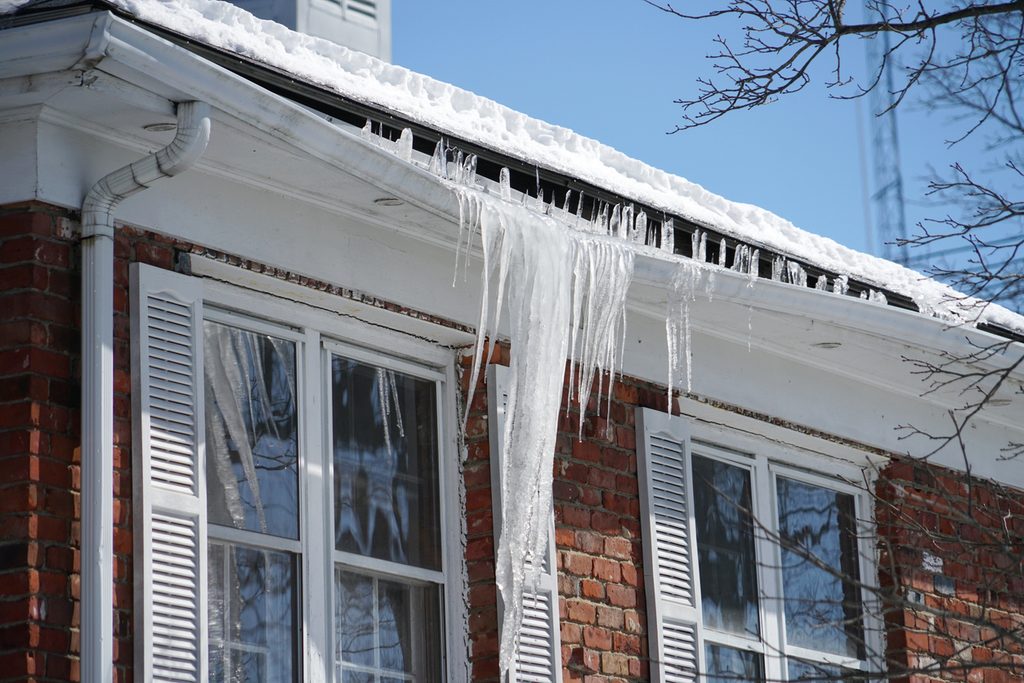
Winter in Toronto brings snow, freezing temperatures, and repeated freeze-thaw cycles that can put residential roofs to the test. One of the most common winter roofing problems homeowners may encounter is ice damming.
Ice dams aren’t simply a result of having snow on your roof. They develop when snow melts on a warmer section of the roof and then refreezes when the water reaches colder areas near the eaves. Over time, that ice can build up and prevent additional melting snow from draining properly.
The good news is that ice dams on Toronto roofs are often preventable. Proper attic insulation and ventilation, professional snow and ice removal, and, in certain situations, roof de-icing cables can all help reduce the risk.
Understanding what causes ice dams on roofs is the first step toward protecting your Toronto home this winter. If you’re concerned about your roof’s condition, JNG Services can help with a professional residential roof inspection before winter problems worsen.
What Is an Ice Dam?
An ice dam is a ridge or buildup of ice that typically forms along the lower edge of a sloped roof.
During the winter, heat escaping from your home can warm portions of the roof deck enough to melt the snow sitting above it. The resulting water travels down the roof until it reaches the colder eaves and overhangs, where it freezes again.
As this happens repeatedly, layers of ice accumulate. Eventually, the ice can create a barrier that prevents additional snowmelt from draining off the roof. Water can then collect behind the ice dam and potentially work its way beneath shingles and other roofing materials.
CMHC identifies heat escaping from the home and melting rooftop snow as a cause of ice damming. The trapped water behind an ice dam can rise high enough to penetrate beneath overlapping shingles and contribute to roof leaks.
If you notice ice buildup along your roof edge, contact JNG Services for an assessment before trapped water causes interior damage.
What Causes Ice Dams on Toronto Roofs?
1. Heat Escaping Into the Attic
One of the biggest contributors to ice dam formation is heat escaping from the living areas of your home into the attic.
Warm air can leak through ceiling penetrations, attic hatches, light fixtures and other openings. When this heat reaches the underside of the roof deck, it creates warmer areas that can melt the snow above—even when outdoor temperatures remain below freezing.
The melted snow then travels toward the colder roof edge and refreezes. This is why recurring ice dams may be more than an exterior roofing problem. They can sometimes indicate that your attic and roofing system aren’t managing heat properly.
A JNG Services inspection can help identify roof-related concerns that may be contributing to recurring winter ice buildup.
2. Inadequate Attic Insulation
Proper attic insulation in Toronto homes helps keep heated indoor air where it belongs.
When insulation is insufficient, uneven or deteriorated, more heat can transfer into the attic and warm the roof deck. This can create the temperature differences that encourage snow to melt and refreeze at the eaves.
Improving attic insulation can therefore help prevent ice dams, particularly if the problem returns every winter.
Before the next major snowfall, schedule a residential roofing inspection to identify vulnerable areas and determine whether additional winter preparation is needed.
3. Poor Roof and Attic Ventilation
Insulation and ventilation work together. A properly designed roof ventilation system helps manage attic temperatures and moisture year-round. In winter, maintaining a colder, more consistent roof temperature can reduce uneven melting that contributes to ice dams.
Blocked soffit vents, inadequate exhaust ventilation or poorly designed ventilation systems can interfere with airflow through the attic.
If you’re experiencing recurring ice dams on your Toronto home, having your roof and attic ventilation inspected can help identify whether airflow is contributing to the problem. JNG Services can help you evaluate your roof’s winter readiness and recommend practical next steps.
4. Toronto’s Freeze-Thaw Winter Weather
Toronto winters regularly move between snowfall, milder daytime temperatures and freezing overnight conditions.
These temperature fluctuations can create ideal conditions for melting and refreezing. Snow may begin melting during a warmer period, only to freeze again as temperatures fall. Combine these conditions with heat escaping through the roof, and ice can quickly accumulate around eaves, valleys, and gutters.
That’s why winter roof maintenance in Toronto is especially important during periods of heavy snowfall and rapidly changing temperatures.
Schedule your winter roof check with JNG Services before freeze-thaw conditions create an opportunity for leaks and ice dams.
5. Snow Accumulation on the Roof
The more snow sitting on a roof, the more material there is available to melt and potentially refreeze. Certain areas of a roof may also collect more snow than others. Roof valleys, dormers, lower-slope sections and transitions between rooflines can experience localized accumulation.
Heavy snow should never be treated casually. Homeowners should avoid climbing onto a snowy or icy roof to remove it themselves. Professional roof snow removal in Toronto can help manage excessive accumulation while reducing the risk of injury and accidental damage to shingles, flashing and gutters.
If your roof has accumulated significant snow, contact JNG Services to discuss safe residential roof maintenance options.
Are Ice Dams Preventable?
In many cases, yes, ice dams are preventable, or their severity can be significantly reduced. The key is to address the conditions causing them rather than waiting until a large ridge of ice has already developed.
A roofing professional can assess your roof for potential problem areas and determine whether insulation, air leakage, ventilation, snow accumulation or the roof’s design may be contributing to recurring ice dams.
Preventative winter roof maintenance may include inspecting attic ventilation, identifying vulnerable areas of the roofing system, safely managing snow accumulation and addressing existing roof damage before Toronto’s coldest weather arrives.
Don’t wait for the first leak of the season. Book a fall roof inspection with JNG Services to prepare your home before ice dam season begins.
Can Roof De-Icing Cables Prevent Ice Dams?
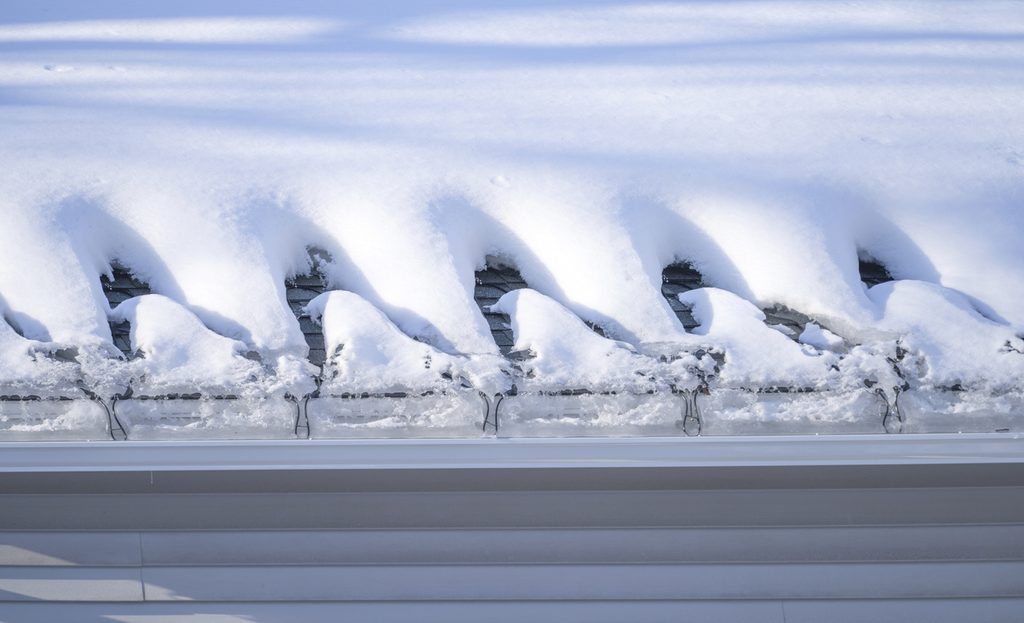
Roof de-icing cables, also called roof heat cables or heating cables, are electrical cables installed along vulnerable areas of a roof to create pathways for melting water to drain.
They are commonly installed near roof edges, gutters or other areas prone to ice buildup. However, homeowners should understand that heating cables aren’t necessarily a permanent solution to the underlying cause of ice dams.
De-icing cables can help melt channels through accumulated ice and allow water to escape, but they don’t correct inadequate attic insulation, air leakage or ventilation problems. For Toronto homes with recurring ice dams, the better approach is to identify why the roof is developing them in the first place. De-icing cables may be useful as part of a larger winter roofing strategy, particularly in roof areas where ice is difficult to prevent through other measures.
JNG Services can help you determine whether de-icing cables or another winter roofing solution is appropriate for your home.
Does Removing Snow From Your Roof Help Prevent Ice Dams?
Reducing excessive snow accumulation can help limit the amount of snow available to melt and refreeze.
However, approach roof snow and ice removal carefully. Trying to chip, hammer or pry an ice dam away can damage asphalt shingles, flashing, gutters and other roofing components. Walking on a snow-covered or icy roof also creates a significant fall hazard.
Where conditions allow, you can remove some snow from ground level using an appropriate roof rake. For significant accumulation or existing ice dams, professional snow and ice removal in Toronto is the safer option.
If you’re already experiencing a leak, large icicles or substantial ice buildup, contact a roofing professional rather than attempting to remove the ice yourself. JNG Services can help assess the situation and recommend a safe course of action.
Why You Shouldn’t Ignore Ice Dams
An ice dam might look like a normal part of a Toronto winter, but persistent ice buildup can create problems for your roofing system.
Water trapped behind an ice dam may find its way beneath roofing materials and contribute to leaks. Over time, moisture intrusion can affect roof decking, insulation and interior ceilings or walls.
Heavy ice can also put additional stress on gutters and roof edges.
An ice and water protection membrane beneath the shingles can provide an additional layer of protection against water backing up behind an ice dam. However, this type of membrane doesn’t stop an ice dam from forming—it helps protect the roof against water penetration if one does develop.
This is why ice dam prevention for Toronto homes should focus on both preventing ice buildup and ensuring the roofing system is properly protected against winter moisture.
If you see water stains, damaged shingles or ice-related roof concerns, contact JNG Services for residential roofing service before the damage spreads.
Signs Your Toronto Home May Have an Ice Dam Problem
Large icicles hanging from your eaves are one visible warning sign, particularly when they’re accompanied by a ridge of ice along the roof edge.
You may also notice ice filling gutters, unusually large amounts of ice around valleys, water stains on ceilings or walls, moisture near exterior walls, damaged shingles or gutters pulling away from the fascia.
If these problems return each winter, it’s worth having the roof inspected to determine the underlying cause rather than repeatedly treating the ice itself.
JNG Services can inspect your roof for winter damage, drainage concerns and other signs that may require attention before the next storm.
Prepare Your Toronto Roof Before Ice Dam Season
The best time to deal with an ice dam is before it forms. Fall roof maintenance gives Toronto homeowners a chance to identify damaged shingles, ventilation issues, clogged drainage areas, and other potential winter roofing problems before temperatures drop.
If your home experienced ice dams last winter, don’t assume they’ll disappear this year. Recurring ice buildup can signal that something in your roofing or attic system needs attention.
JNG Roofing can inspect your roof, identify areas vulnerable to winter ice and snow buildup, and recommend practical solutions for protecting your home through Toronto’s freeze-thaw season.
Before winter arrives, schedule a roof inspection, clear drainage areas that need attention, and address minor roof repairs before snow and ice make the work more difficult.
Protect Your Home From Ice Dams This Winter With JNG Services
Toronto winters can be unpredictable, but your winter roof maintenance doesn’t have to be reactive.
Whether you’re concerned about recurring ice dams, heavy rooftop snow, ventilation problems or signs of a winter roof leak, JNG Services provides professional residential roofing services in Toronto to help keep your home protected throughout the colder months.
Book a winter roof inspection with JNG Services today to identify potential problems before the next major snowfall and learn how you can reduce the risk of ice dams and winter roof damage.