
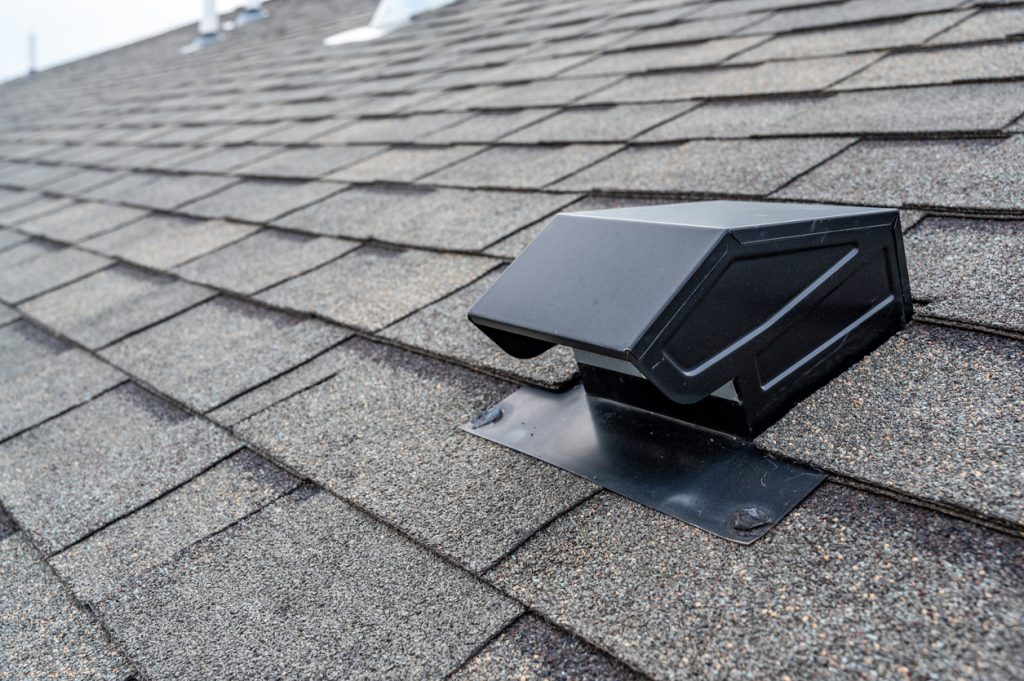
As temperatures begin to drop across Toronto, most homeowners start thinking about furnaces, gutters, leaves, and getting their homes ready for snow. But there is another part of your home that deserves attention before winter arrives: your roof ventilation system.
Proper roof ventilation in Toronto homes is important throughout the year, but fall and winter can expose ventilation problems that may have gone unnoticed during warmer weather. When warm, moisture-filled air becomes trapped inside an attic, it can contribute to condensation, mould growth, damaged insulation, premature deterioration of roofing materials, and even ice dams along the roofline.
The challenge is that many roof ventilation problems are difficult to see from the ground. Your roof may appear perfectly fine while moisture and heat are accumulating underneath it.
Before another Toronto winter arrives, we recommend understanding how your roof and attic ventilation work so you can identify potential problems early and protect your home throughout the colder months.
Why Is Proper Roof Ventilation Important for Toronto Homes?
A properly designed roofing system does more than keep rain and snow outside. It also needs to manage airflow underneath the roof.
Attic and roof ventilation typically work by allowing fresh outdoor air to enter through intake vents, usually located near the soffits, while warmer air exits through exhaust vents positioned higher on the roof. This continuous airflow helps regulate attic temperature and remove excess moisture.
Toronto’s climate makes this particularly important. Homes experience hot, humid summers followed by cool autumn weather, freezing winter temperatures, snow accumulation, and frequent freeze-thaw cycles. Without adequate ventilation, these seasonal temperature changes can put additional stress on your roof.
During winter, warm air from inside your home naturally rises. Small amounts can make their way into the attic through openings around lighting fixtures, attic hatches, bathroom exhaust systems, and other areas.
When that warm air reaches cold roofing surfaces, moisture can condense inside the attic.
Over time, poor attic ventilation in Toronto homes can contribute to moisture damage that affects the roof deck, insulation, rafters, and other components of the roofing system.
7 Signs Your Toronto Home May Have Roof Ventilation Problems
Roof ventilation issues are not always obvious. However, there are several warning signs Toronto homeowners should pay attention to as fall transitions into winter.
1. Excessive Moisture or Condensation in the Attic
One of the clearest signs of poor attic ventilation is excessive moisture. During colder weather, you may notice condensation forming on nails, rafters, roof decking, or other surfaces inside the attic. In more serious cases, moisture may even freeze during extremely cold temperatures.
Once temperatures rise again, that frost can melt and create moisture inside the attic. Homeowners may mistake this for a leaking roof when they notice wet insulation or water staining. While you should always investigate a roof leak, the cause may be condensation from inadequate ventilation.
A professional roof inspection in Toronto with JNG Services can help determine where the moisture is coming from.
2. Mould or Mildew Inside the Attic
Dark staining, mould, mildew, or a persistent musty smell inside the attic should never be ignored. When moisture becomes trapped inside an attic with limited airflow, it can create conditions that allow mould and mildew to develop.
Fall is an ideal time to have these issues investigated because correcting ventilation problems before freezing temperatures and heavy snow arrive can help prevent additional moisture buildup throughout winter.
3. Ice Dams Form Along Your Roof
If large ridges of ice regularly form along your roof edges during winter, your attic ventilation may be part of the problem. Ice dams on Toronto roofs can develop when heat escaping into the attic warms portions of the roof deck. Snow melts higher on the roof and flows toward the colder edges, where it freezes again.
As this process repeats, ice can accumulate along the roofline and prevent additional melting snow from draining properly. Water may then work its way underneath roofing materials, potentially contributing to leaks and water damage.
Proper insulation, air sealing, drainage, and roof ventilation all play a role in managing the conditions that can contribute to ice dam formation.
4. Uneven Snow Melting Across the Roof
After a Toronto snowfall, take a look at your roof from the ground. If snow disappears from certain sections of your roof much faster than others, particularly when neighbouring roofs remain snow-covered, excessive heat may be escaping into your attic.
Uneven snow melting does not automatically mean you have a ventilation problem, but it can be a warning sign that your attic temperature is not being properly regulated.
With JNG Services, we can inspect the attic and ventilation system to determine whether airflow, insulation, air leakage, or another issue is contributing to the problem.
5. Your Attic Feels Excessively Warm or Stuffy
Your attic should not feel like an extension of your heated living space during winter. If it feels unusually warm, humid, or stuffy, there may not be enough airflow moving through the attic.
A properly ventilated attic helps reduce excessive heat and moisture accumulation, which can protect the underside of your roof and help maintain more consistent conditions throughout the colder months.
6. Roof Vents Are Blocked, Damaged, or Covered
Roof vents need to remain functional to do their job. Leaves, debris, damaged roofing materials, insulation, animal activity, and other obstructions can interfere with airflow. During winter, poorly designed or inadequate ventilation systems may also struggle as snow and ice accumulate.
This is one reason fall roof maintenance in Toronto is so important. Before winter arrives, homeowners should consider having their roof inspected for damaged vents, blocked airflow, deteriorated components, and other roofing issues that could become more difficult to address once snow arrives.
7. Your Home Doesn’t Have Enough Roof Ventilation
Sometimes the problem is simply that the home’s existing ventilation system is not sufficient for the attic and roof design.
Older Toronto homes may have ventilation systems that no longer meet the needs of the roofing system, while previous renovations, insulation upgrades, roof replacements, or additions can sometimes change how air moves through an attic.
Adding more vents is not necessarily the solution either. Effective roof ventilation installation requires the right balance between intake and exhaust ventilation. Vent placement, roof design, attic size, insulation, and existing ventilation all need to be considered.
That is why ventilation should be assessed as a complete system rather than simply adding another roof vent.
Roof Ventilation and Toronto’s Freeze-Thaw Winter Weather
Toronto winters can be particularly demanding on residential roofing systems because temperatures frequently move above and below freezing.
Snow may melt during a warmer afternoon and freeze again overnight. This repeated freeze-thaw cycle can expose weaknesses around shingles, flashing, gutters, drainage systems, and roof edges.
When combined with excess attic heat or moisture, the risk of winter roofing problems can increase.
Good ventilation helps maintain more consistent attic conditions, while proper insulation and air sealing reduce the amount of warm indoor air entering the attic in the first place.
Together, these systems help your roof manage Toronto’s changing fall and winter weather.
Why Fall Is the Best Time to Check Your Roof Ventilation
You do not want to discover a serious ventilation problem during the first major snowstorm of the year.
Scheduling a fall roof inspection in Toronto gives homeowners an opportunity to identify ventilation problems while roofing conditions are generally easier to inspect and service.
A fall inspection can look beyond the vents themselves. Your roofer can examine shingles, flashing, roof penetrations, gutters, drainage areas, and other components that may need attention before winter.
Inside the attic, signs of moisture, condensation, inadequate airflow, or deterioration can provide important clues about how well the entire roofing system is performing.
Addressing these issues during fall can help prepare your home for snow, freezing rain, ice, and months of colder temperatures.
Choosing the Right Roof Ventilation System for Your Toronto Home
There is no single ventilation solution that is appropriate for every home.
The size and design of the attic, roof slope, existing soffit ventilation, insulation, roof configuration, and available exhaust ventilation can all influence which system is appropriate.
High-performance roof vents can provide an effective way to exhaust warm, humid attic air when they are properly selected and installed as part of a balanced ventilation system.
Maximum Ventilation roof vents are designed specifically to provide efficient attic exhaust ventilation in Canadian weather conditions. However, choosing the right vent is only one part of the process. Proper sizing, placement, intake ventilation, and professional installation are equally important.
Work With a Maximum Ventilation Certified Roofing Contractor in Toronto
When it comes to roof ventilation, installation matters.
JNG Services is a Maximum Ventilation Certified roofing contractor, giving Toronto homeowners access to professional guidance when assessing and improving residential roof ventilation systems.
Rather than simply installing additional vents, JNG Services can evaluate the roofing and attic ventilation system to help identify whether airflow problems exist and determine an appropriate solution for the home.
Working with a knowledgeable Toronto roofing contractor is especially valuable when ventilation problems are contributing to condensation, moisture buildup, premature roof deterioration, or winter ice problems.
Prepare Your Roof for Fall and Winter With JNG Services
Toronto’s winter weather can reveal roofing problems quickly. Taking care of ventilation concerns during fall can help reduce the risk of discovering moisture, condensation, ice, or roofing damage once freezing temperatures arrive.
If you are noticing unusual attic moisture, uneven snow melting, recurring ice dams, or other signs of poor roof ventilation, it may be time to have your roofing system professionally assessed.
JNG Services provides residential roof inspections, maintenance, repairs, and roof ventilation solutions for homeowners throughout Toronto and the GTA. As a Maximum Ventilation Certified contractor, our team can help determine whether your roof has adequate ventilation and recommend solutions designed for your home’s roofing system.
Book a fall roof inspection with JNG Services today to make sure your roof and attic ventilation are ready for another Toronto winter.